

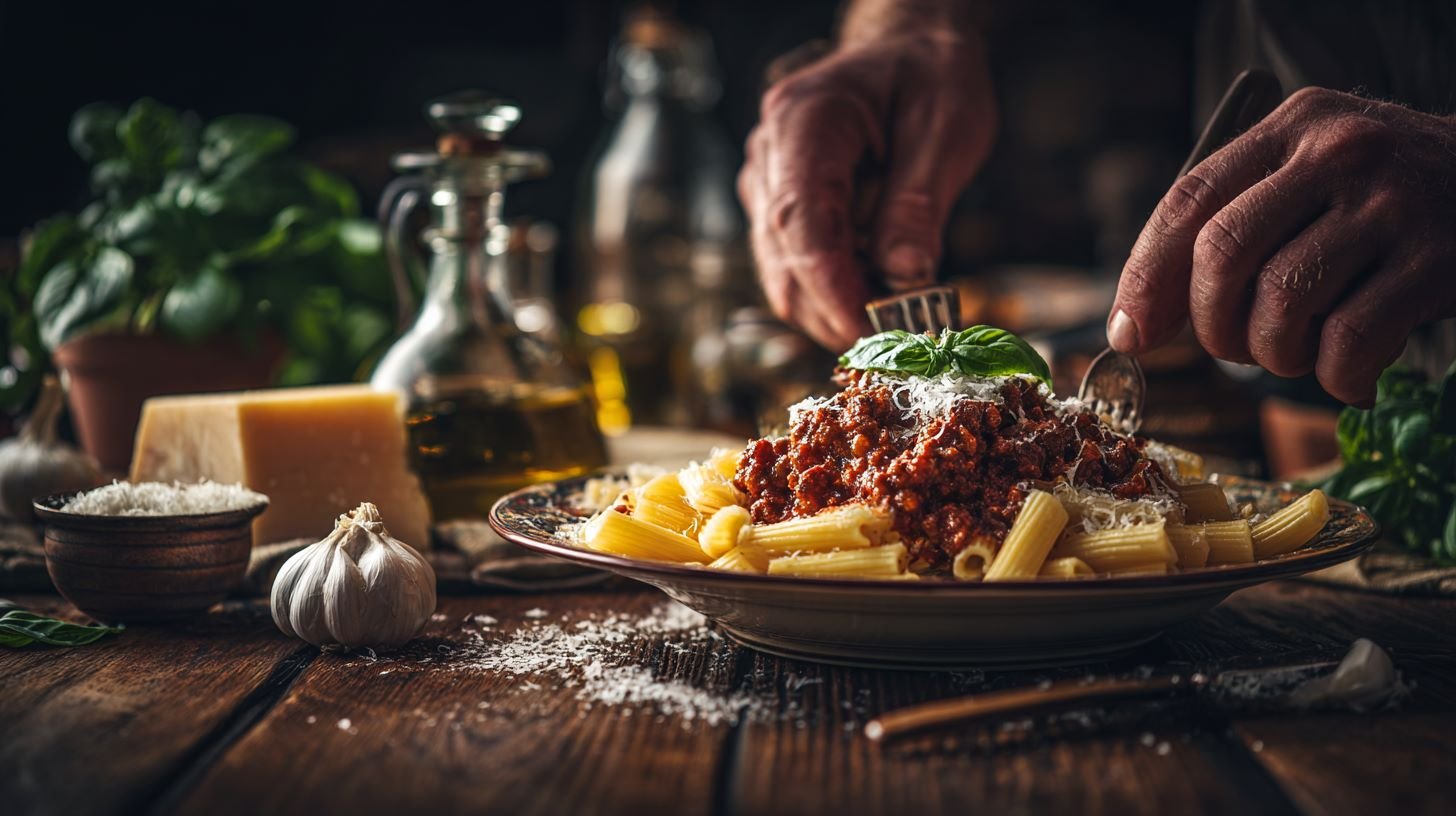
Italian cuisine is often associated with pasta, pizza, and rich tomato sauces, but its true story is far deeper and older. It is a cuisine shaped by geography, trade routes, invasions, religion, and regional traditions. From ancient Roman banquets to modern Mediterranean dining, Italian food has evolved continuously while preserving its core philosophy: simplicity, balance, and respect for ingredients.
Today, this culinary heritage lives on at Da Vinci Irina, a modern Italian restaurant located in the Irina residential complex in Lapta, Kyrenia. The restaurant reflects centuries of Italian tradition while adapting it to contemporary tastes and the Mediterranean lifestyle of Northern Cyprus.
Ancient Rome: the foundations of Italian cooking
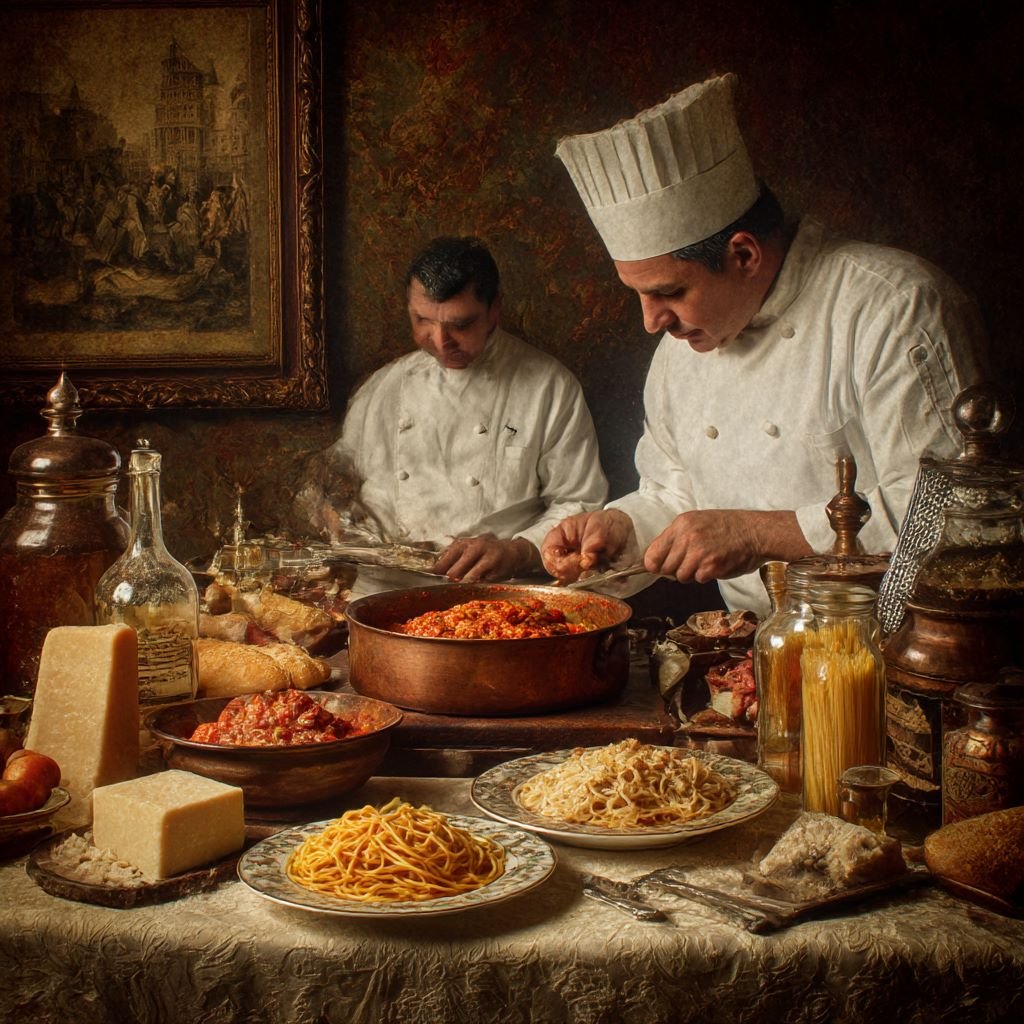
The roots of Italian cuisine reach back to ancient Rome. Roman food culture was based on what is often called the Mediterranean triad: bread, olive oil, and wine. Grains, legumes, vegetables, herbs, cheese, and fish formed the backbone of everyday meals, while wealthier citizens enjoyed elaborate banquets featuring game, seafood, spices, and sauces.
One of the most important principles established during this period was the idea of seasonality and local sourcing. Romans valued fresh ingredients and simple preparations, a philosophy that still defines authentic Italian cuisine today. Olive oil, herbs, and wine were not luxury items but essential parts of daily life, setting the foundation for future generations.
The Middle Ages: Arab influence and regional diversity
After the fall of the Roman Empire, the Italian peninsula became a crossroads of cultures. During the Middle Ages, Arab influence, particularly in southern Italy and Sicily, transformed local cuisine. New ingredients such as rice, citrus fruits, almonds, spices, sugar, and dried fruits entered Italian kitchens.
This period also saw the development of early pasta forms and preservation techniques such as drying, which made food storage and transportation easier. Religious traditions further shaped eating habits, encouraging simple meals and increasing the importance of fish, bread, legumes, and vegetables.
Many iconic Italian desserts and flavor combinations have their roots in this era, proving that Italian cuisine has always been open to innovation while maintaining its identity.
The Renaissance: refinement and culinary identity
The Renaissance marked a turning point in Italian food culture. As cities like Florence, Venice, and Rome flourished, cuisine became an expression of art, status, and cultural identity. Wealthy families invested in refined cooking, professional kitchens, and written recipes.
During this time, Italian cuisine emphasized purity of flavor and harmony between ingredients. Seasonal produce, herbs, cheeses, and meats were prepared with restraint rather than excess. This era also strengthened the idea of regional cuisines, with each area developing its own specialties based on climate, agriculture, and tradition.
The spirit of Renaissance cooking—elegant yet grounded—still influences modern Italian restaurants. At Da Vinci Irina, this balance can be seen in carefully composed dishes that highlight natural flavors rather than overpower them. Guests can explore these interpretations on the restaurant’s Menu page:
https://davincinortherncyprus.com/en/menu/
Tomatoes, pasta, and the birth of classics
Contrary to popular belief, tomatoes became central to Italian cuisine relatively late. Introduced from the Americas, they were initially viewed with suspicion. Over time, however, tomatoes transformed Italian cooking, especially in southern regions.
By the 18th and 19th centuries, tomato-based sauces paired with pasta became staples, giving rise to dishes that are now considered timeless classics. This period also reinforced the regional nature of Italian cuisine, where local traditions remained stronger than any single national style.
Modern Italian cuisine: tradition meets innovation
In the 20th century, Italian cuisine gained global recognition. Migration spread Italian food traditions worldwide, while at home, chefs focused on preserving authenticity and regional character. The result is a cuisine that values heritage but welcomes thoughtful innovation.
Modern Italian dining respects tradition while adapting to contemporary lifestyles. This philosophy defines Da Vinci Irina, where classic techniques meet modern presentation and Mediterranean influences. The restaurant also serves as a venue for celebrations and gatherings, continuing the Italian tradition of sharing food as a social experience. More information about private dining and special occasions is available on the Events page:
https://davincinortherncyprus.com/en/events/
Italian cuisine in Northern Cyprus today
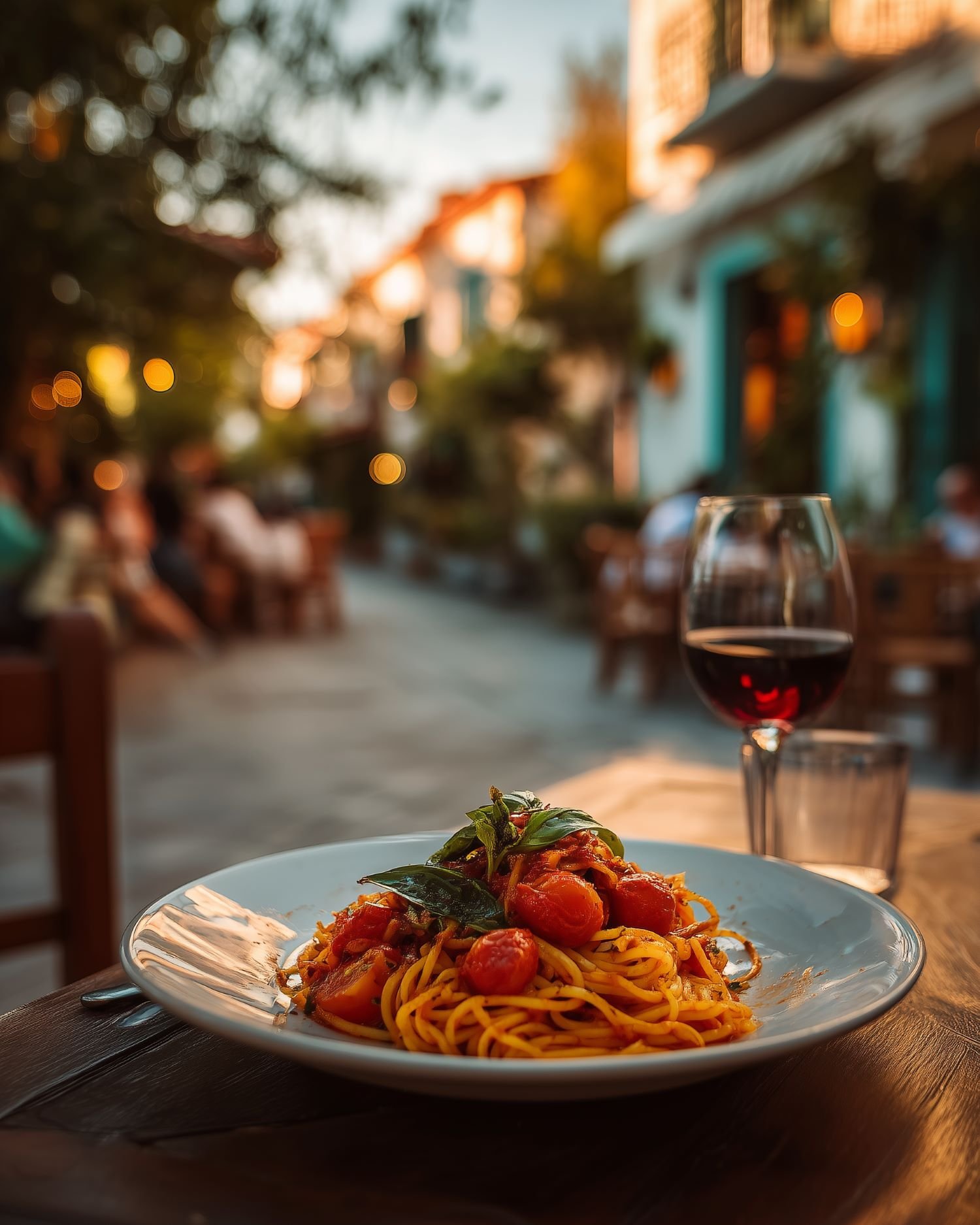
Northern Cyprus, with its Mediterranean climate and relaxed pace of life, provides an ideal setting for Italian cuisine. Fresh vegetables, olive oil, seafood, and seasonal ingredients naturally align with Italian cooking principles.
Located in Lapta within the Irina residential complex, Da Vinci Irina brings centuries of Italian culinary history into a modern context. The restaurant offers not just food, but an experience rooted in culture, tradition, and hospitality. Guests interested in the story and philosophy behind the restaurant can learn more on the About page:
https://davincinortherncyprus.com/en/about/
For reservations, opening hours, and contact details, visit the Contact page:
https://davincinortherncyprus.com/en/contact/
A living culinary heritage
Italian cuisine is not frozen in time. It is a living tradition that continues to evolve while remaining deeply connected to its past. From ancient Roman simplicity to Renaissance refinement and modern Mediterranean dining, its journey is one of continuity rather than reinvention.
At Da Vinci Irina, this history is not told through words alone, but through carefully prepared dishes, quality ingredients, and a welcoming atmosphere. It is a place where the long story of Italian cuisine continues—one plate at a time.