

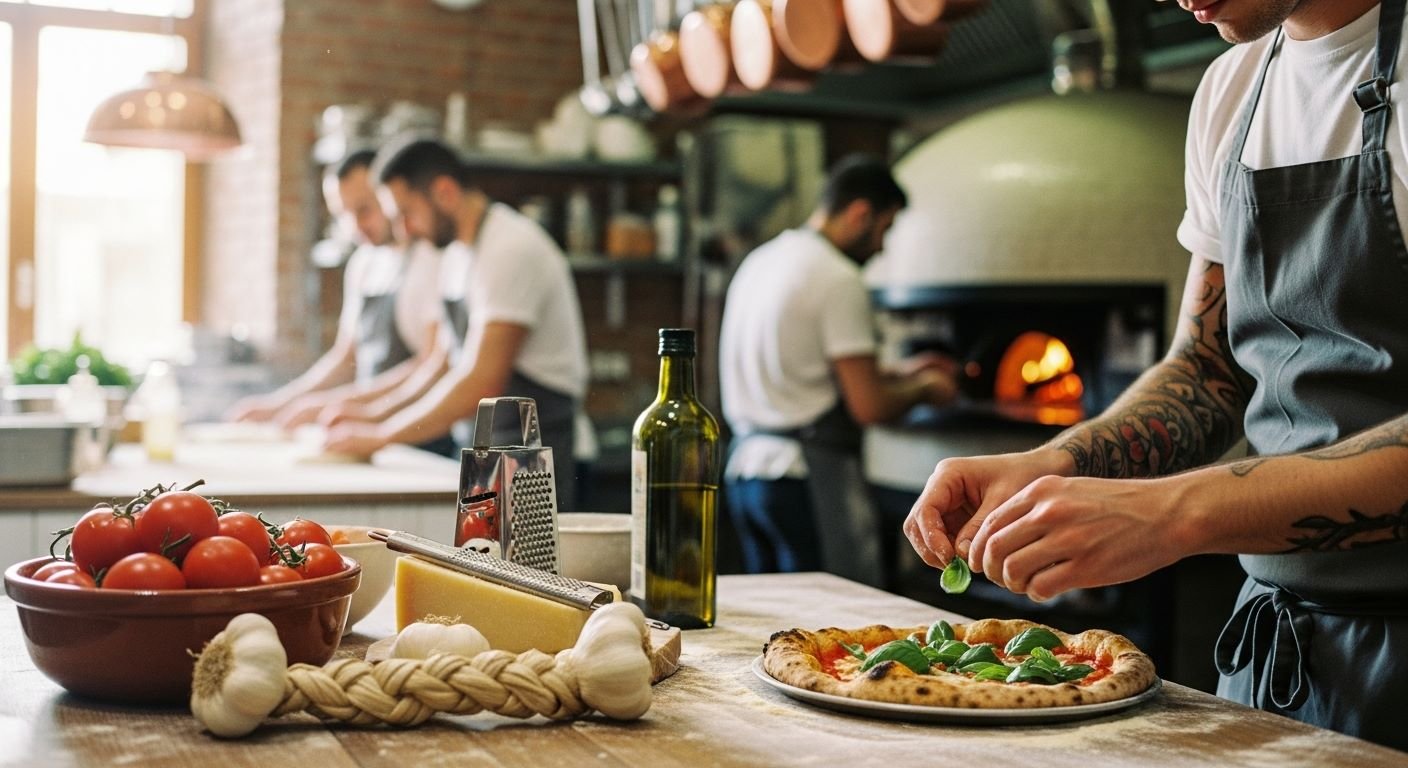
Italian cuisine is far more than a collection of recipes. It is a living cultural language shaped by centuries of history, geography, and human connection. Even in the fast-moving world of the 21st century, Italian culinary traditions remain deeply relevant — not as nostalgia, but as a lifestyle rooted in quality, simplicity, and shared experience.
Today, this philosophy lives on at Da Vinci Irina, a modern Italian restaurant located in the Irina residential complex in Lapta, Kyrenia. Here, classical Italian values meet contemporary Mediterranean elegance, offering guests an authentic and meaningful dining experience.
Ancient roots that shaped a timeless cuisine
The foundations of Italian cuisine were laid in Ancient Rome, where food was closely tied to agriculture, seasonality, and local resources. Staples such as bread, olive oil, wine, vegetables, legumes, and cheese formed the basis of everyday meals. Even in ancient times, food was not merely sustenance — it was a social and cultural ritual.
This respect for natural ingredients remains a defining feature of Italian cooking today. The idea that quality matters more than complexity continues to guide chefs and home cooks alike.
The Middle Ages and the birth of regional identity
During the Middle Ages, Italy became a crossroads of cultures. Trade routes and cultural exchanges introduced new ingredients such as rice, citrus fruits, spices, almonds, and dried fruits. These influences enriched local cuisines, especially in southern Italy and Sicily.
At the same time, religious traditions shaped eating habits, reinforcing simplicity, moderation, and seasonality. Many of the flavor combinations that define Italian food today were formed during this period. The result was not a single national cuisine, but a mosaic of regional identities — each with its own character, traditions, and recipes.
The Renaissance: when cuisine became culture
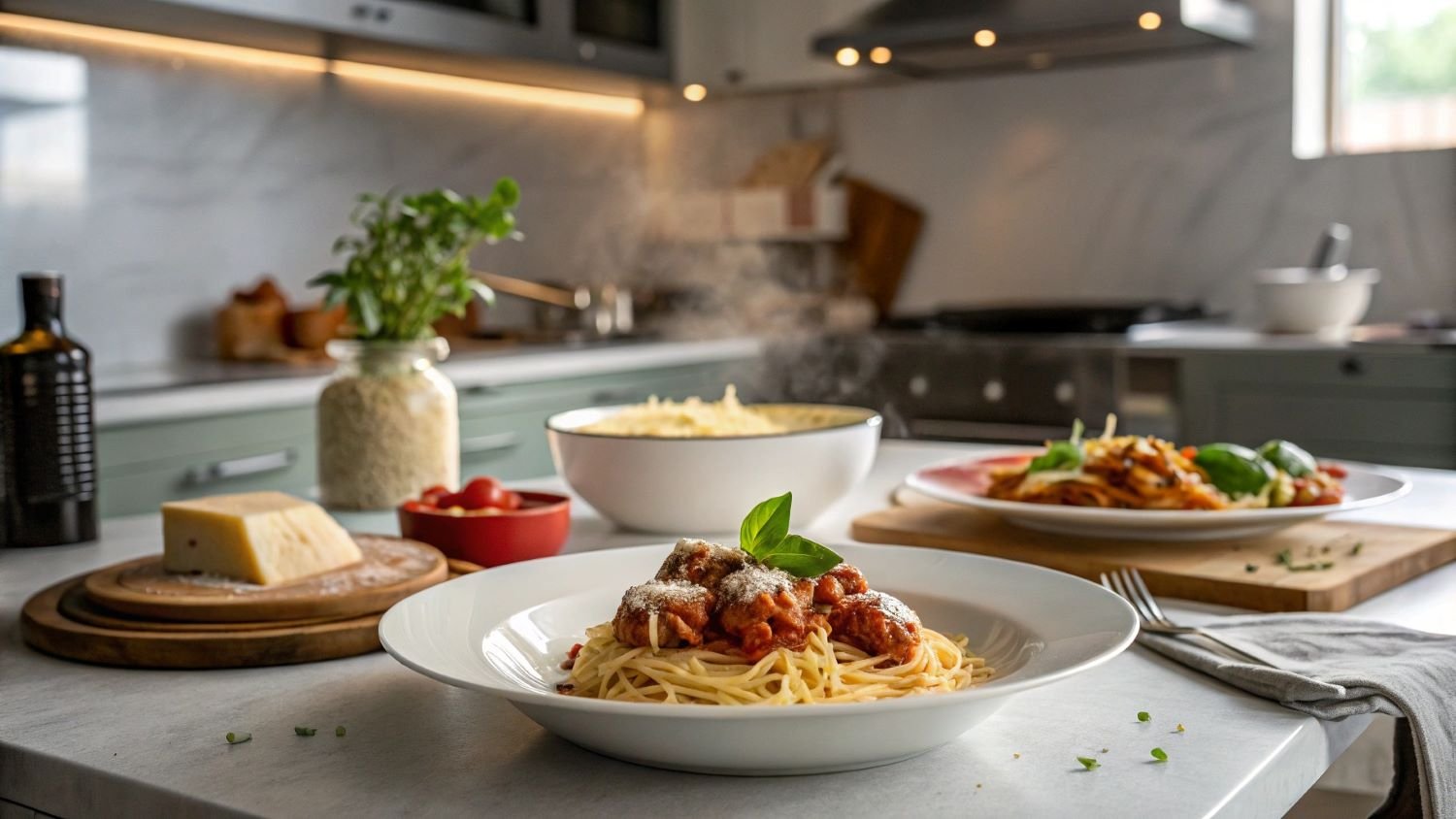
The Renaissance marked a turning point for Italian gastronomy. Food became an expression of culture, refinement, and artistry. Cities such as Florence, Venice, and Rome developed culinary traditions that emphasized balance, harmony, and presentation.
Ingredients were treated with respect, and recipes were written down and preserved. This era strengthened the idea that cooking is both craft and culture — a philosophy that still defines Italian cuisine today.
At Da Vinci Irina, this balance between tradition and refinement is reflected in the menu, where classic techniques are presented in a modern, elegant way. You can explore the culinary philosophy through the restaurant’s menu here:
Pasta, tomatoes, and the evolution of classics
Contrary to popular belief, tomatoes became central to Italian cuisine relatively late. Initially met with caution, they eventually transformed regional cooking, especially in southern Italy. Combined with handmade pasta, tomatoes helped create some of the most iconic dishes in the world.
Over time, Italian cuisine evolved without losing its soul. Each region preserved its identity while embracing subtle innovation — a balance that still defines authentic Italian cooking today.
Italian cuisine in the modern world
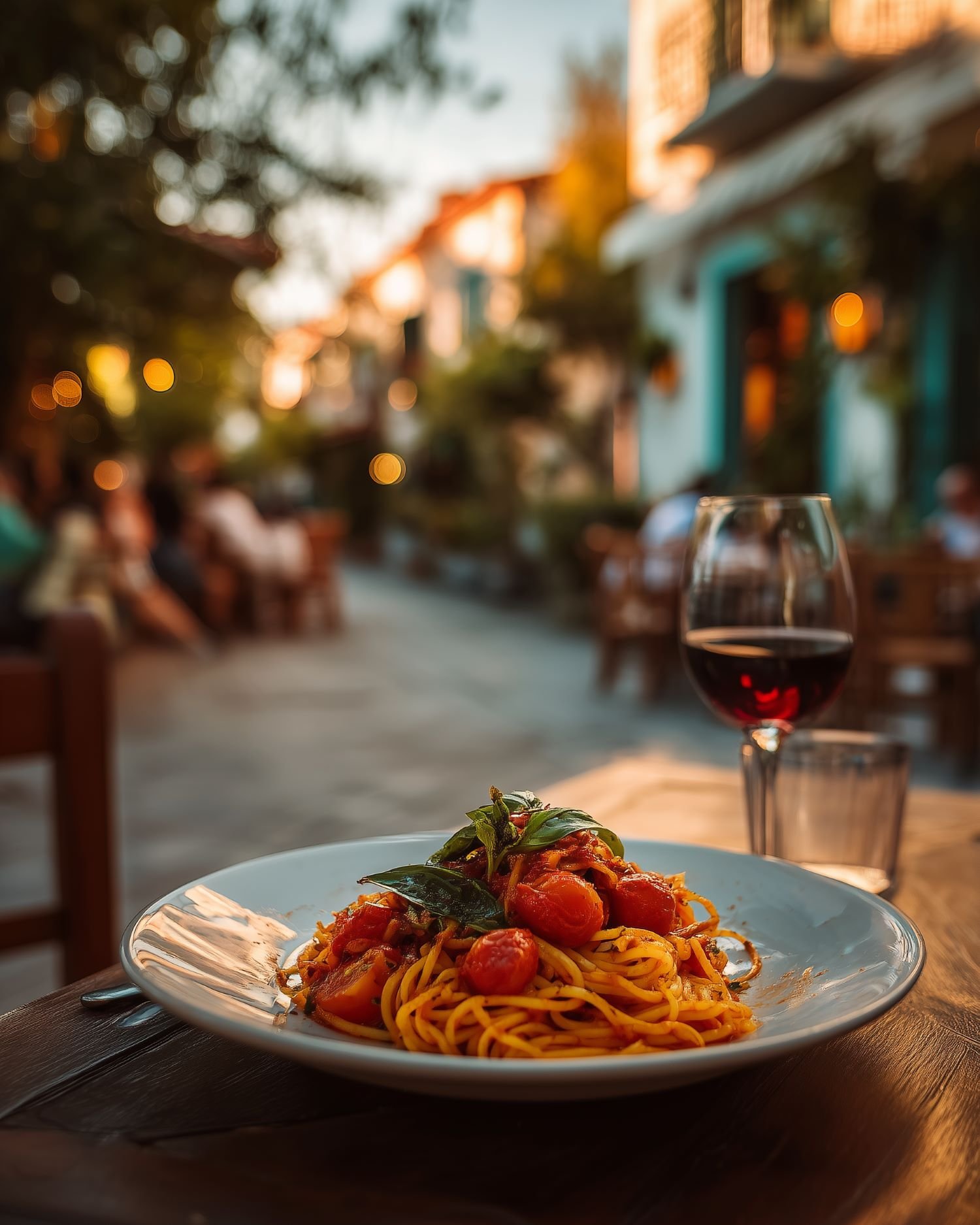
In the 21st century, Italian cuisine continues to thrive because it aligns perfectly with modern values: sustainability, seasonal ingredients, mindful eating, and shared experiences. Around the world, people are rediscovering the joy of simple, honest food prepared with care.
This philosophy is also reflected at Da Vinci Irina, where tradition meets contemporary lifestyle. The restaurant serves not only as a place to dine, but as a space for connection, celebration, and meaningful moments. It is also a popular venue for private gatherings and special occasions. More details are available on the Events page:
Italian cuisine in Northern Cyprus today
Northern Cyprus offers an ideal environment for Italian cuisine. The Mediterranean climate, access to fresh ingredients, and relaxed lifestyle naturally complement Italian culinary values.
Located in Lapta within the Irina residential complex, Da Vinci Irina brings these traditions to life in a modern and welcoming setting. Guests can experience authentic flavors while enjoying the calm and charm of the northern coast. Learn more about the restaurant’s story and philosophy on the About page:
For reservations, opening hours, or direct contact, visit the Contact page:
A living culinary tradition
Italian cuisine continues to thrive because it is built on human connection, respect for ingredients, and the joy of sharing food. From ancient traditions to modern interpretations, it remains a living culture rather than a static concept.
At Da Vinci Irina, this tradition is not simply preserved — it is lived every day. Through thoughtful cooking, warm hospitality, and a deep respect for heritage, the spirit of Italian cuisine continues to evolve while staying true to its roots.