

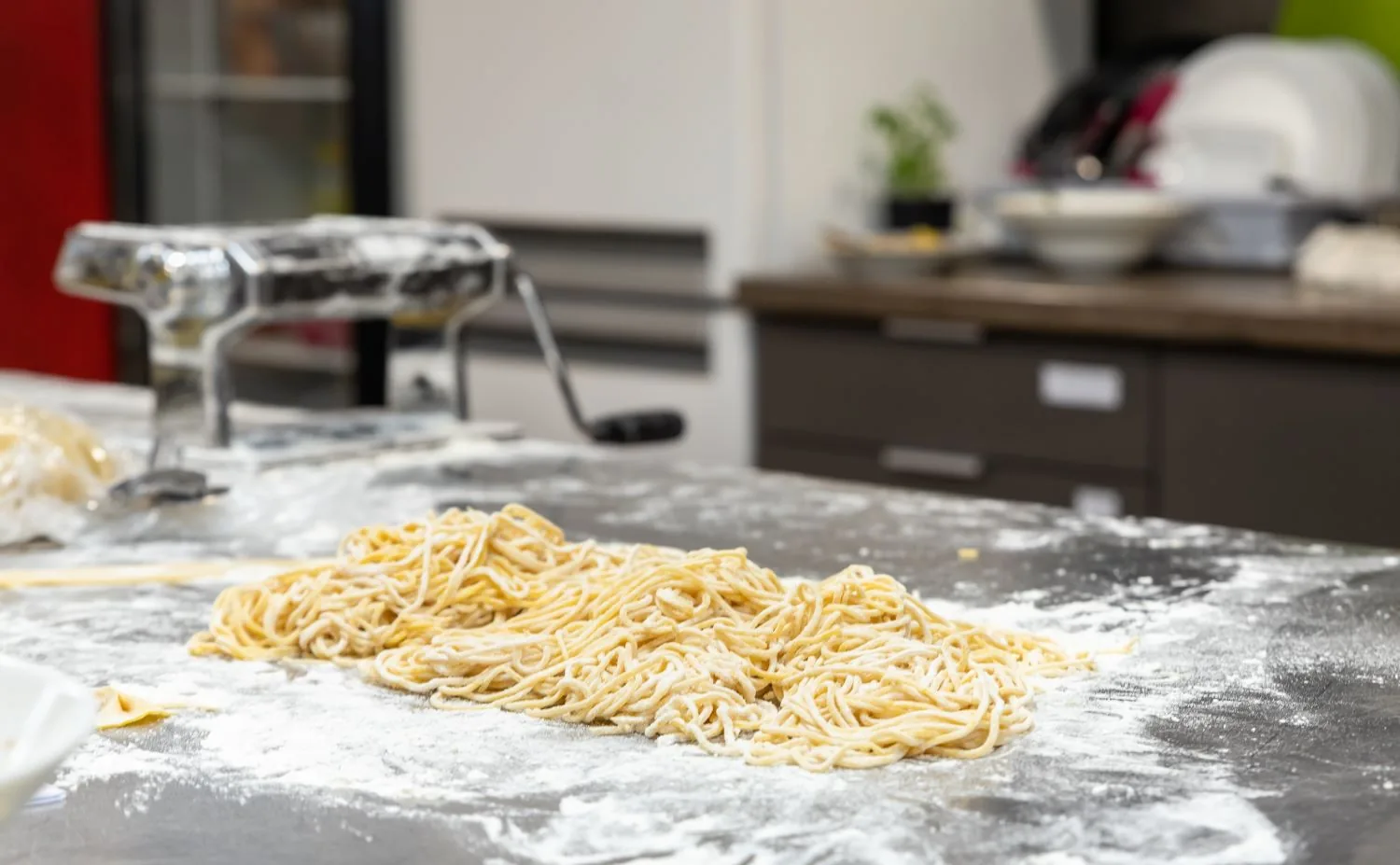
Fresh pasta is often described as the premium choice, while dried pasta is treated as an everyday alternative. In Italian cooking, the distinction is not so simple. Fresh and dried pasta are different ingredients with different textures, strengths and purposes. One is not automatically better than the other.
The more useful question is: which pasta works best with the sauce?
Shape, thickness, surface and filling all influence the final dish. A tube of rigatoni behaves differently from a strand of spaghetti. Cavatelli carries sauce in its curves, while ravioli already contains much of the flavor inside the pasta itself.
Understanding these differences makes an Italian menu easier to explore and helps explain why the right pasta and sauce can feel like one complete dish rather than two separate components.
What is the difference between fresh and dried pasta?
Many varieties of fresh pasta are made with flour and eggs, although regional recipes can also use semolina and water. The dough retains moisture, giving the pasta a tender, supple texture. It cooks quickly and must be handled carefully so that it does not become too soft or lose its shape.
Dried pasta is usually made from durum wheat semolina and water. Removing the moisture gives it greater firmness and allows it to develop the characteristic al dente bite associated with many Italian dishes.
This does not make dried pasta less authentic. Spaghetti, rigatoni and many other classic shapes are traditionally enjoyed in dried form because their structure works particularly well with tomato, olive oil, seafood and meat-based sauces.
Fresh pasta offers a softer and often richer experience. It is especially suited to filled shapes, delicate ribbons and recipes in which the texture of the dough plays a central role.
The quality of either type depends on the ingredients, preparation, cooking and pairing. Excellent dried pasta matched with the correct sauce will always be better than fresh pasta chosen only because it sounds more luxurious.
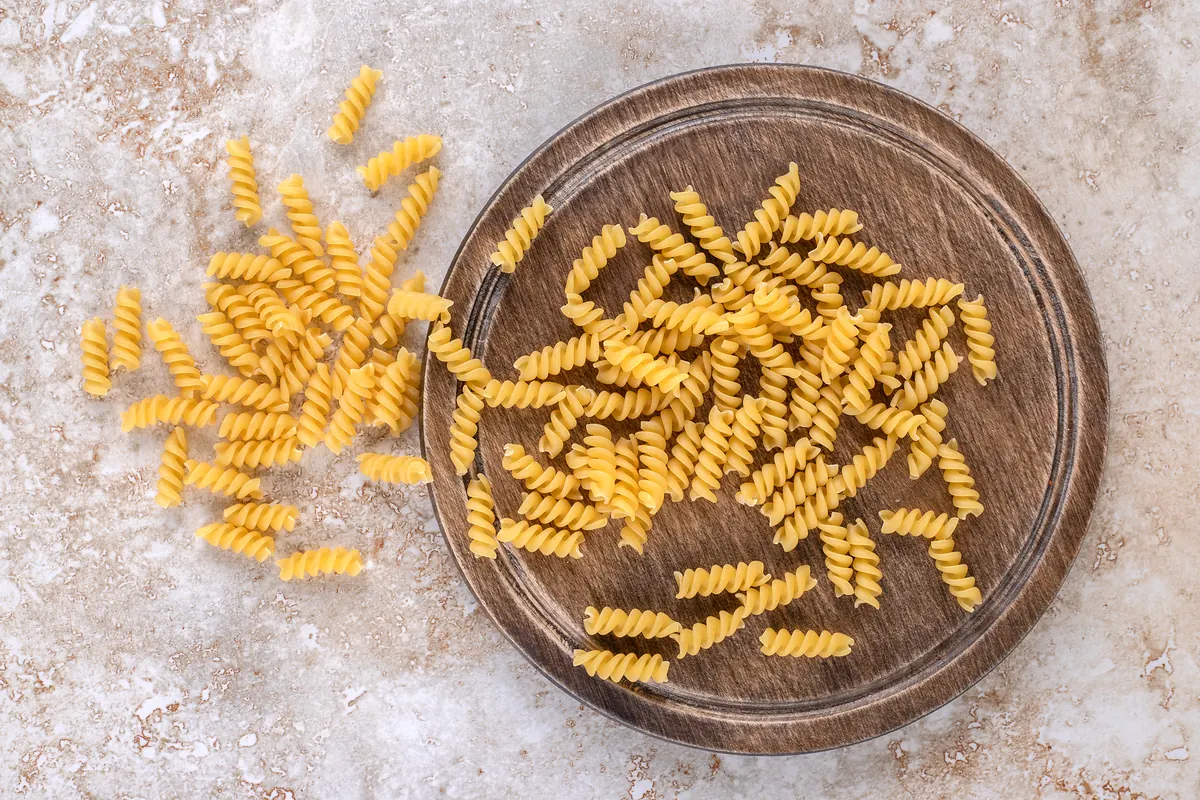
Why pasta shape matters
Pasta is designed to control how sauce reaches each bite.
Long strands create a coating around the pasta as they are turned through the sauce. Tubes allow ingredients to collect inside. Ridges catch thicker sauces, while folds and twists hold small pieces of cheese, meat or vegetables.
Thickness matters too. A delicate strand can disappear beneath a heavy ragù, while a large tube may overwhelm a very light sauce. Filled pasta requires a different approach because its filling is already part of the flavor balance.
Italian cooking therefore does not begin by choosing a random pasta and adding sauce afterwards. The shape and the condiment are selected as partners.
Long pasta and lighter sauces
Spaghetti is one of the most versatile examples of long pasta. Its narrow strands work well with sauces that can coat them evenly, including tomato, olive oil, garlic and seafood preparations.
A useful example is Spaghetti dello Chef on the Da Vinci menu, served with cherry tomatoes, prawns and garlic. The ingredients remain recognizable, while their juices and aromas can spread across the strands.
Long pasta also encourages a slower style of eating. Turning the strands around a fork brings together the pasta, sauce and smaller ingredients in a single bite. This makes spaghetti particularly effective when the sauce is fragrant and flavorful without being excessively heavy.
Not every seafood pasta requires spaghetti, however. The size of the seafood, the consistency of the sauce and the desired texture can all lead to a different shape.
Tubes and ridges for rich sauces
A substantial sauce needs pasta with enough strength to carry it.
Rigatoni is a wide tube with a firm structure. Sauce can cling to the outside, settle into the ridges and collect inside the pasta. This makes it a natural partner for ragù and other preparations containing small pieces of meat or vegetables.
Rigatoni con Ragù di Manzo at Ristorante Da Vinci combines the shape with beef ragout, tomato, chili pepper and parmesan. Instead of leaving the sauce at the bottom of the plate, the rigatoni helps distribute it throughout the dish.
This is also why replacing one pasta shape with another can change the experience even when the sauce remains identical. A heavy ragù served with an extremely thin strand may feel unbalanced. A structured tube gives both the pasta and the sauce space to remain distinct.
Curves and twists that capture flavor
Short shaped pasta offers another kind of interaction.
Cavatelli has a small curved form with an indentation that can hold sauce. On the Da Vinci menu, Cavatelli ai Frutti di Mare brings the shape together with mussels, prawns, octopus, bottarga, garlic and white wine sauce. The curves can carry the sauce while allowing pieces of seafood to remain the focus of the plate.
Casarecce has a loosely rolled, twisted form. Its folds are useful for holding an emulsified sauce and small pieces of ingredients. In Casarecce alla Carbonara con Guanciale, the shape gives the carbonara sauce and guanciale multiple surfaces to cling to.
These dishes demonstrate that pasta pairing is not simply a choice between long and short. The details of each shape determine whether a sauce coats, fills or gathers around it.
Filled pasta: when the flavor begins inside
Ravioli changes the balance because the pasta contains its own filling.
The sauce should support that filling rather than cover it completely. A very aggressive sauce can hide the flavor and texture that make filled pasta special.
The current Da Vinci menu includes handmade Ravioli Ricotta e Spinachi with spinach and basil pesto and ricotta cheese. The filling, dough and pesto each contribute a different layer: creamy ricotta, tender pasta and the aromatic freshness of basil.
Filled pasta is one of the clearest examples of why “fresh versus dried” is the wrong competition. Ravioli is valued for its delicate construction and the relationship between the dough, filling and sauce. Its purpose is entirely different from the firm bite of dried spaghetti or rigatoni.
Delicate ribbons and simple luxury
Ribbon pasta provides a wide surface for smooth sauces and finely grated ingredients.
The exclusive Da Vinci menu includes homemade Tagliolini con Tartufo Nero with parmesan and black truffle. Tagliolini is narrow and delicate, allowing the aroma of the truffle and the richness of the parmesan to remain prominent.
A dish like this does not need a long list of ingredients. The pasta creates a soft base, while the truffle provides fragrance and depth. Simplicity works because every element has a clear role.
This principle appears throughout Italian cuisine: fewer ingredients can create a more expressive result when the pasta shape, sauce and texture are correctly matched.
How to choose a pasta dish at an Italian restaurant
Choosing pasta becomes easier when you begin with the experience you want.
For something rich and satisfying, look for a structured shape with ragù, tomato or a substantial meat sauce. Rigatoni is a strong example.
For a lighter Mediterranean profile, long pasta with prawns, garlic and cherry tomatoes may feel brighter. Seafood with white wine sauce can also work beautifully with a short shape such as cavatelli.
For a softer, more delicate texture, consider handmade ravioli or ribbon pasta. Their fillings and sauces are usually designed to be enjoyed as a balanced combination.
The occasion can influence the choice as well. A hearty ragù may suit a long dinner, while seafood pasta can feel especially inviting during a relaxed evening near the coast. Truffle pasta offers a more aromatic and luxurious direction.
If you plan to order wine, consider the weight and dominant flavor of the sauce rather than pasta alone. Tomato, seafood, meat, truffle and cheese each call for a different style of wine. Our beginner’s guide to pairing Italian wine with pasta provides a useful starting point.
Italian pasta in Lapta, Northern Cyprus
A well-designed pasta dish offers more than a familiar name. It reflects choices about dough, shape, texture, sauce and ingredients.
At Ristorante Da Vinci in Lapta, near Kyrenia, guests can explore several sides of Italian pasta: structured rigatoni with beef ragout, spaghetti with prawns and cherry tomatoes, cavatelli with seafood, casarecce with carbonara, handmade ravioli and homemade tagliolini with black truffle.
Together, these dishes show why Italian pasta is so varied. The difference is not simply what goes on top. It is how the pasta and sauce are designed to work together.
You can view the current Da Vinci menu to see the available pasta dishes and seasonal selections.

Frequently asked questions
Is fresh pasta better than dried pasta?
No. Fresh and dried pasta offer different textures and suit different recipes. Fresh pasta is usually softer and more delicate, while dried pasta provides a firmer al dente bite. The better choice is the one that matches the sauce and preparation.
Which pasta shape works best with ragù?
Structured shapes such as rigatoni work particularly well because they can hold thick sauce and small pieces of meat. Wide ribbon pasta can also suit certain regional ragù recipes.
Which pasta works well with seafood?
Spaghetti and other long shapes work well with lighter seafood sauces. Short shapes with curves or hollows, including cavatelli, can hold white wine sauce and accompany larger pieces of seafood.
Where can I try Italian pasta near Kyrenia?
Ristorante Da Vinci is located in Lapta, within the Kyrenia area of Northern Cyprus. The menu includes classic and contemporary pasta dishes with meat, seafood, handmade fillings and truffle. Guests can contact the restaurant and book a table.
The best pasta is the right pasta for the sauce
The choice between fresh and dried pasta is not a contest. It is one part of a larger decision involving shape, sauce, texture and tradition.
Once you understand how those elements interact, familiar dishes begin to reveal more detail. Rigatoni is not simply a larger version of spaghetti. Ravioli is not just pasta with something inside. Every shape changes the way a dish tastes and feels.
That relationship is one of the reasons Italian pasta remains endlessly interesting: simple ingredients can produce a completely different experience with every shape and sauce.