

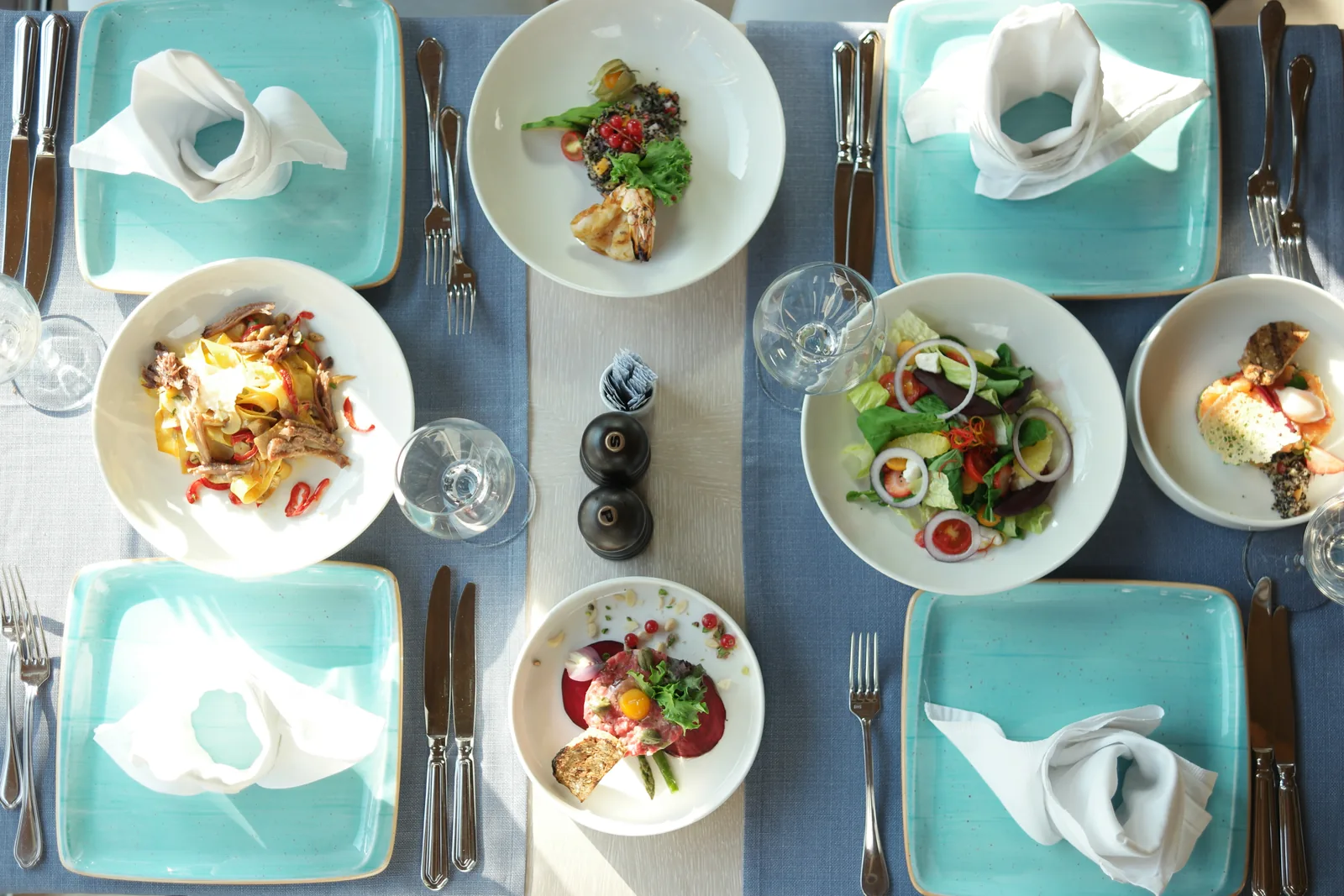
An Italian restaurant menu can look surprisingly different from the familiar starter-main-dessert format. Pasta may appear under primi rather than main courses, vegetables may have their own section, and the meal can continue from dessert to coffee and a digestivo. For someone encountering the traditional structure for the first time, it may seem as though every table is expected to order five or six courses.
In reality, Italian meal courses are a flexible way to organise food rather than a compulsory eating challenge. The sequence helps diners understand the role of each dish, move naturally from lighter flavours to richer ones and build a meal suited to the occasion. A long celebration may include most of the traditional stages, while an ordinary dinner might consist of only two dishes.
Knowing the difference between antipasti, primi, secondi, contorni and dolci makes an Italian menu easier to navigate. It also helps you choose dishes that complement one another instead of ordering several rich plates that compete for attention.
What Italian meal courses actually mean
A traditional Italian menu is arranged by the function of a dish within the meal. It does not simply divide food into small and large portions. Each course introduces a different type of flavour, texture or ingredient.
A complete sequence may include:
- Aperitivo — a drink and perhaps a small bite before the meal.
- Antipasto — the opening plate intended to stimulate the appetite.
- Primo — a first substantial course, often pasta, risotto, soup or polenta.
- Secondo — a main protein such as fish, meat or poultry.
- Contorno — vegetables, salad or another side dish served with or after the secondo.
- Dolce — dessert.
- Caffè or digestivo — coffee or an after-dinner drink to close the experience.
This does not mean that every guest must order every stage. The traditional order provides a framework from which diners can choose. Portion size, appetite, time and the character of the occasion all matter.
The Italian approach also explains why pasta is not normally treated as a side dish. It has its own position as a primo piatto. Likewise, a secondo may arrive without potatoes or vegetables because those accompaniments belong to the contorni section.
Aperitivo and antipasto: how an Italian meal begins
Although the words sound similar, aperitivo and antipasto are not the same thing.
Aperitivo takes place before the meal. It may involve sparkling wine, a light cocktail or another drink accompanied by olives, nuts or a small savoury bite. Its purpose is social as much as culinary: it creates a gentle transition from the day into the evening and gives everyone time to settle at the table.
Antipasto is the first actual course. The word literally refers to something served before the meal, but it should not be interpreted as food that is unimportant or merely decorative. A good antipasto establishes the direction of the dinner without exhausting the appetite.
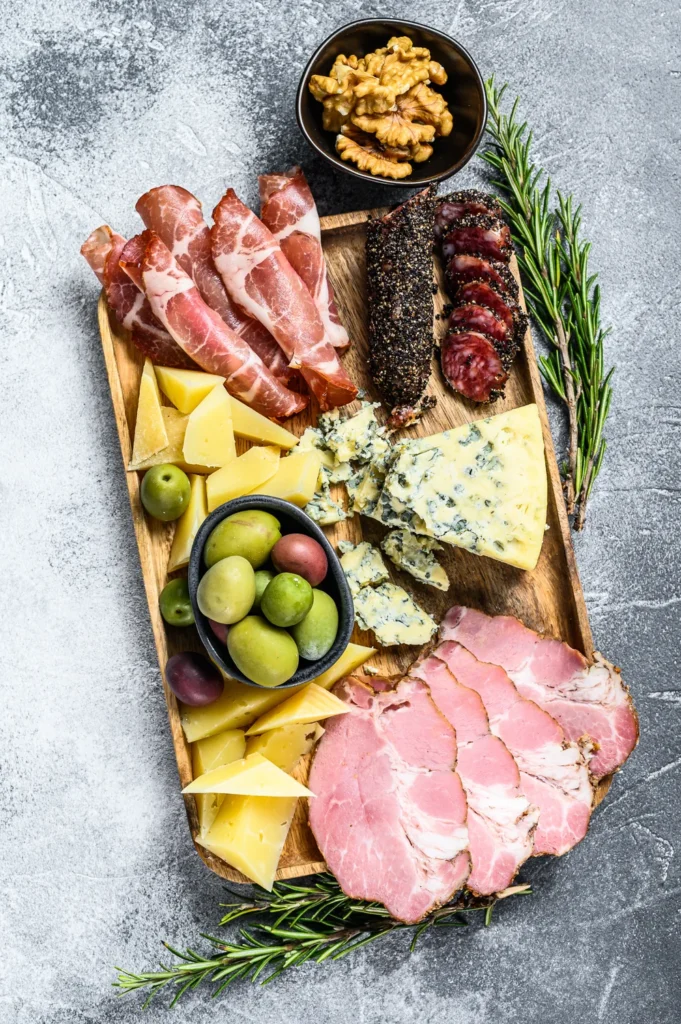
Depending on the region and season, antipasti can include cured meats, cheeses, marinated vegetables, bruschetta, seafood, olives or warm specialities. The ideal choice introduces flavour while leaving space for what follows. If the later courses will be rich, a fresh or lightly seasoned antipasto often creates better balance than a heavy fried starter.
Sharing antipasti can work especially well for a group. Several small plates allow guests to taste contrasting flavours and begin the evening together before selecting individual dishes.
Primi piatti: why pasta is the first course
The primo piatto is the first substantial plate of the meal. Pasta is the best-known example, but the category also includes risotto, gnocchi, filled pasta, soups and polenta. The defining idea is not one particular ingredient; it is the position of the dish within the sequence.
A primo is usually built around grains, pasta or another starch rather than a large portion of meat or fish. That is why spaghetti, ravioli or risotto can feel complete and satisfying while still leaving room for a secondo.
The relationship between the pasta shape and its sauce is important. Thin strands, ridged tubes, broad ribbons and filled pasta hold ingredients differently. A delicate sauce can disappear against a very heavy shape, while a chunky ragù may slide away from pasta that is too smooth. Our guide to how Italians match pasta shapes with the right sauce explores this principle in greater detail.
When building a multi-course meal, consider the weight of the primo. A creamy pasta followed by a rich meat course can be excessive, while a lighter tomato, vegetable or seafood preparation may create a smoother transition. If pasta is the dish you are most excited about, it is also perfectly acceptable to make it the centre of a shorter meal rather than adding courses simply for tradition’s sake.
Secondi and contorni: the main dish and its companion
The secondo piatto usually focuses on the principal protein: fish, meat, poultry or, in some menus, a carefully prepared vegetarian ingredient. Compared with a primo, it tends to rely less on pasta or grains and more on the character of the central product and its cooking method.
Grilling, roasting, slow cooking and pan-searing can produce very different results even before sauces and seasonings are considered. A delicate fish secondo may follow seafood pasta naturally, while a roasted or grilled meat dish can provide contrast after a simpler primo.
The contorno is the accompanying vegetable, salad or side dish. On a traditional menu, contorni often appear in their own section and may need to be ordered separately. This is not because they are an afterthought. Keeping them separate allows guests to choose an accompaniment that suits both the secondo and their own appetite.
Roasted vegetables bring sweetness and depth, fresh salad adds acidity and crunch, and potatoes provide a more substantial partner. The best combination supports the main ingredient rather than repeating everything already present on the plate.
A simple way to order is to choose the secondo first and then ask which contorno offers the best contrast. If the main dish is rich, select something fresh or lightly cooked. If it is delicate, avoid a side whose seasoning will dominate it.
Pizza and one-course meals still belong at the Italian table
Not every Italian dinner follows the full antipasto-primo-secondo sequence. Pizza is one of the clearest examples. It is normally enjoyed as its own course and often forms the centre of the entire meal.
A diner might begin with a shared antipasto, order an individual pizza and finish with dessert or coffee. There is no need to place pasta and a secondo around it. The same principle applies to generous pasta dishes and other complete plates: the meal should be satisfying, not mechanically long.
Balance still matters when choosing a pizza. Tomato, cheese, cured meat, vegetables, herbs and finishing ingredients each affect saltiness, richness, acidity and texture. Our guide to choosing Italian pizza explains how to select toppings that work together rather than simply adding as many as possible.
This flexibility is one reason Italian dining works equally well for a quick relaxed dinner and a long celebration. The menu provides many possible routes rather than one mandatory order.
Dolci, fruit, coffee and digestivi
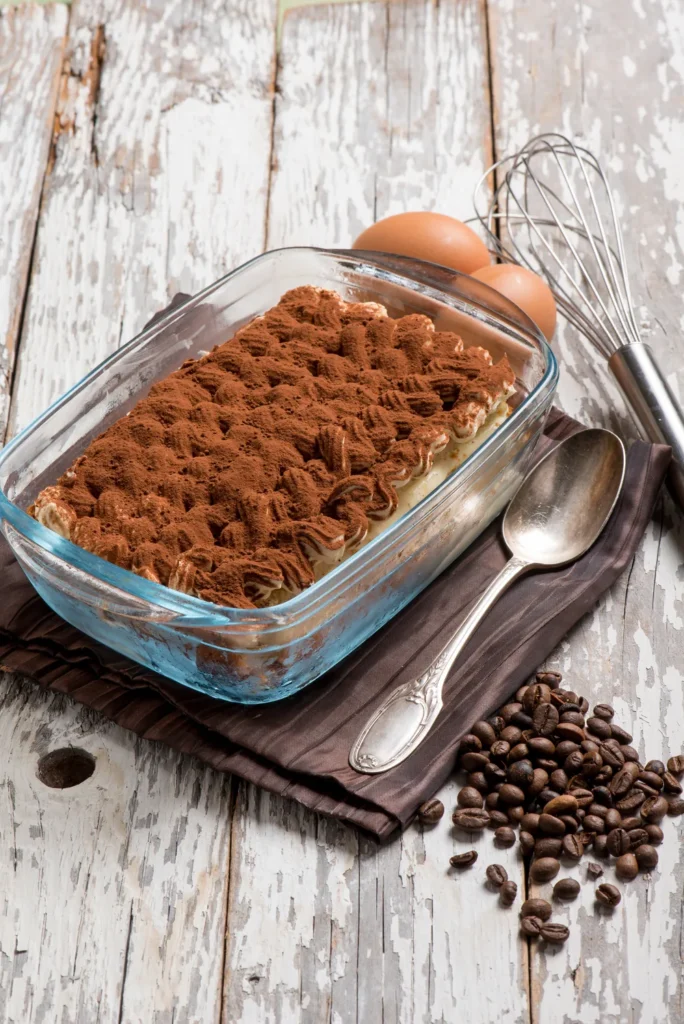
Dessert gives the meal a distinct ending. Italian dolci range from creamy and coffee-flavoured creations to baked pastries, chocolate desserts, gelato and fruit-based dishes. The best choice depends partly on what came before it.
After a rich dinner, a lighter or more acidic dessert can feel refreshing. After a simple main course, a more indulgent chocolate or cream-based dolce may provide a satisfying conclusion. Sharing dessert is also useful when guests want a final taste without ordering another full plate each.
Fresh fruit or cheese can sometimes appear before or instead of a sweet dessert, particularly during a longer traditional meal. Customs vary by region, household and occasion, so the sequence should be viewed as a cultural pattern rather than an inflexible rule.
Coffee normally comes after the food rather than alongside dessert. Espresso is the classic concise finish: intense, aromatic and small enough not to restart the meal. A digestivo such as amaro, grappa or limoncello may follow, but it is always optional.
Italian coffee and desserts have their own traditions, and exploring them is part of understanding why the end of the meal is treated with as much care as the beginning.
How to order a balanced Italian dinner
The easiest way to order well is to think about the whole meal before selecting individual dishes. The following approach works for most restaurant visits:
- Decide how long you want the dinner to be. A weekday meal and a birthday celebration do not require the same number of courses.
- Choose the dish that matters most to you. This might be a particular pasta, pizza, fish or meat dish. Build the rest of the order around it.
- Avoid repeating the same dominant flavour. Several creamy, fried or intensely salty dishes in succession can become tiring.
- Move from lighter to richer flavours. Delicate seafood, vegetables and fresh acidity usually work better before strongly roasted meat or a powerful sauce.
- Use sharing strategically. Sharing antipasti or dessert adds variety without turning every course into a full individual portion.
- Ask about portion size and accompaniments. Restaurant styles differ. Staff can explain whether a dish is suitable for sharing and whether a contorno is included.
- Leave room for spontaneity. You do not have to decide on dessert or coffee at the beginning. See how you feel after the main part of the meal.
Wine can follow the same progression. Crisp and lighter wines generally suit delicate opening dishes, while fuller styles can accompany richer primi and secondi. However, one versatile bottle may be more enjoyable than trying to change wine with every plate. The goal is harmony, not complexity for its own sake.
Common mistakes when reading an Italian menu
One frequent mistake is assuming that primo means starter. A pasta or risotto course is more substantial than antipasto, even if it arrives before the main protein. Ordering a full antipasto, rich primo, secondo, contorno and dessert without considering portion size can therefore be much more food than expected.
Another mistake is treating contorni as decorations. Vegetables and salads influence the balance of the entire meal. Choosing them carefully can make a rich secondo feel more complete and comfortable.
Diners also sometimes believe that authenticity requires ordering every course. Modern Italian restaurant meals are often shorter than the ceremonial sequence. Choosing antipasto and pasta, pizza and dessert, or a secondo with vegetables can all be entirely natural.
Finally, avoid assuming that all Italian food is meant to be covered with extra cheese, oil or strong seasoning. A carefully composed dish already has its intended balance. Taste it first, then follow the restaurant’s guidance if you would like an addition.
Frequently asked questions about Italian meal courses
Do Italians eat all the courses at every meal?
No. The complete sequence is more common at celebrations, family gatherings, holidays or leisurely restaurant dinners. Everyday meals are usually much simpler. The course structure explains the menu, but diners can choose only the parts that suit the occasion.
Is pasta a starter or a main course?
Pasta traditionally belongs to the primi piatti. It comes after antipasto and before a meat or fish secondo. In a shorter modern meal, however, pasta can be the principal and most substantial dish.
Does a secondo automatically include vegetables?
Not always. Many Italian menus list vegetables, salad and potatoes separately under contorni. Check the description or ask whether an accompaniment is included.
Where does pizza fit into the sequence?
Pizza is generally treated as a complete course of its own. It may be preceded by a shared antipasto and followed by dessert or coffee, but it does not normally require a primo and secondo around it.
Should coffee be ordered with dessert?
Traditionally, coffee is served after dessert rather than at the same time. Personal preference still matters, and restaurant staff can serve the meal in the way that is most enjoyable for you.
Experience an Italian meal at your own pace
Understanding Italian meal courses removes uncertainty from the menu, but it should never make dinner feel like an examination. The real purpose of the structure is to create rhythm: a light beginning, a gradual development of flavour, a satisfying central dish and an unhurried ending.
At Ristorante Da Vinci in Lapta, you can use this approach to build an evening around your own appetite. Begin with plates to share, explore pasta or pizza, choose a main dish with a suitable accompaniment, or simply enjoy one favourite course followed by coffee. For celebrations and private events, a longer sequence can give the occasion a natural sense of progression.
There is no single correct number of dishes. The best Italian meal is the one in which every course has a purpose, the flavours support one another and the table has enough time to enjoy both the food and the company.